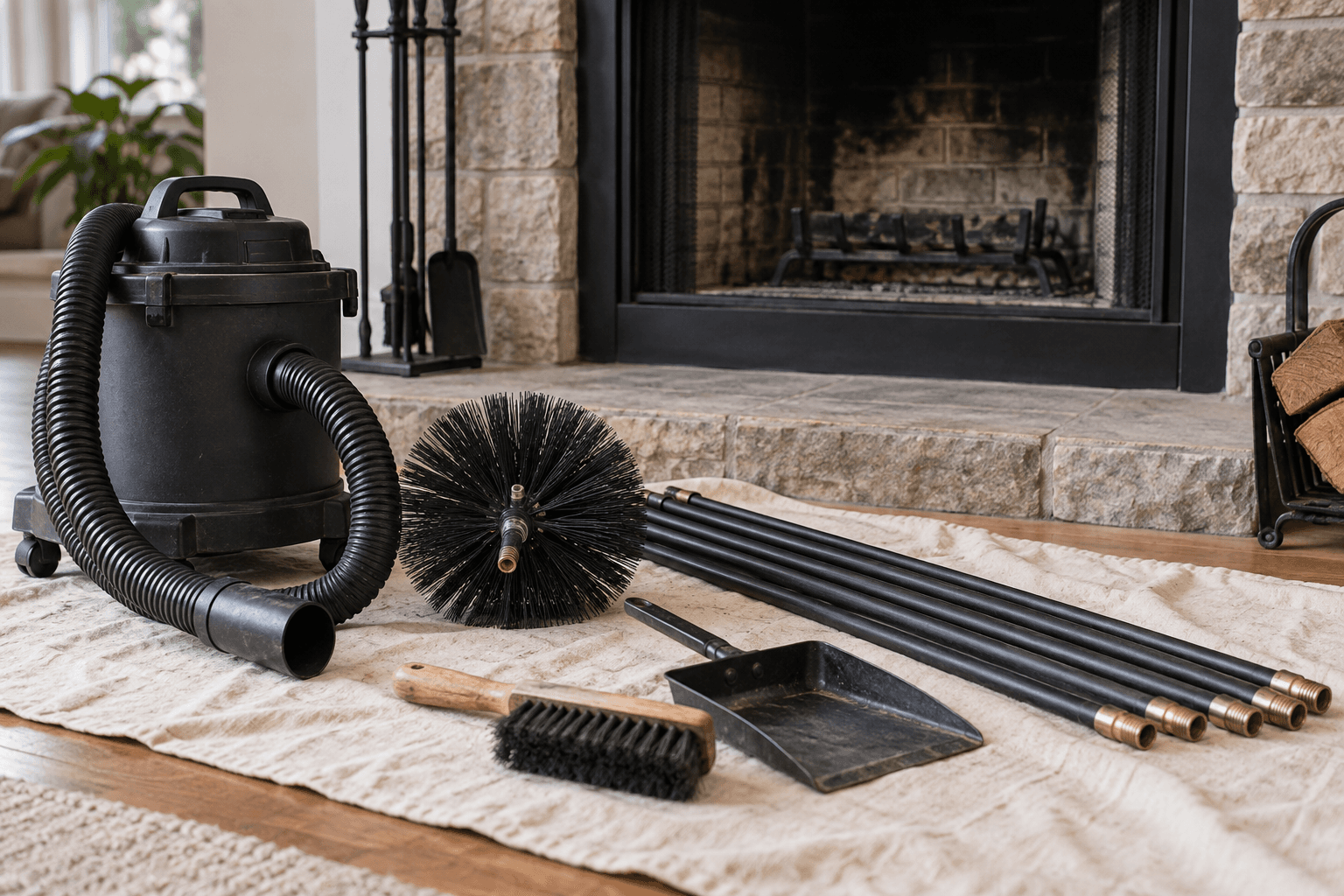
SERVICE 01
Chimney Sweeping and Flue Cleaning
Remove soot, debris and combustible deposits while protecting the room and documenting what was found.
Understand this serviceKnow the scope before you hire
Cleaning, inspection, masonry repair and venting work solve different problems. Use these field guides to identify the right conversation, then compare chimney sweep contractors and companies on the same written scope.
Service library
Each guide explains common triggers, what a useful scope may include and the questions that reveal whether two quotes are truly comparable.
SERVICE 01
Remove soot, debris and combustible deposits while protecting the room and documenting what was found.
Understand this service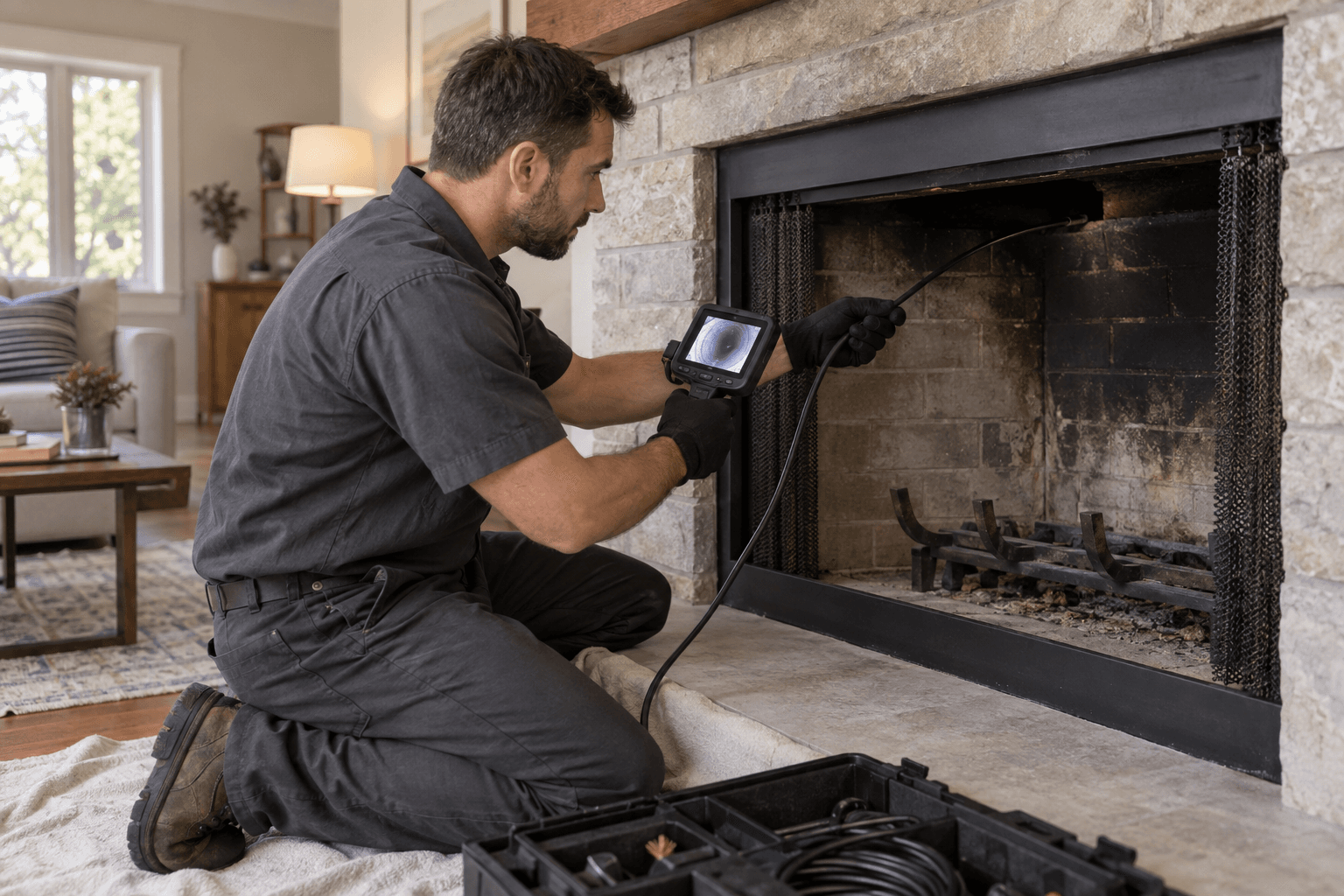
SERVICE 02
Assess accessible chimney components and choose an inspection scope that fits routine use, a property change or a suspected defect.
Understand this service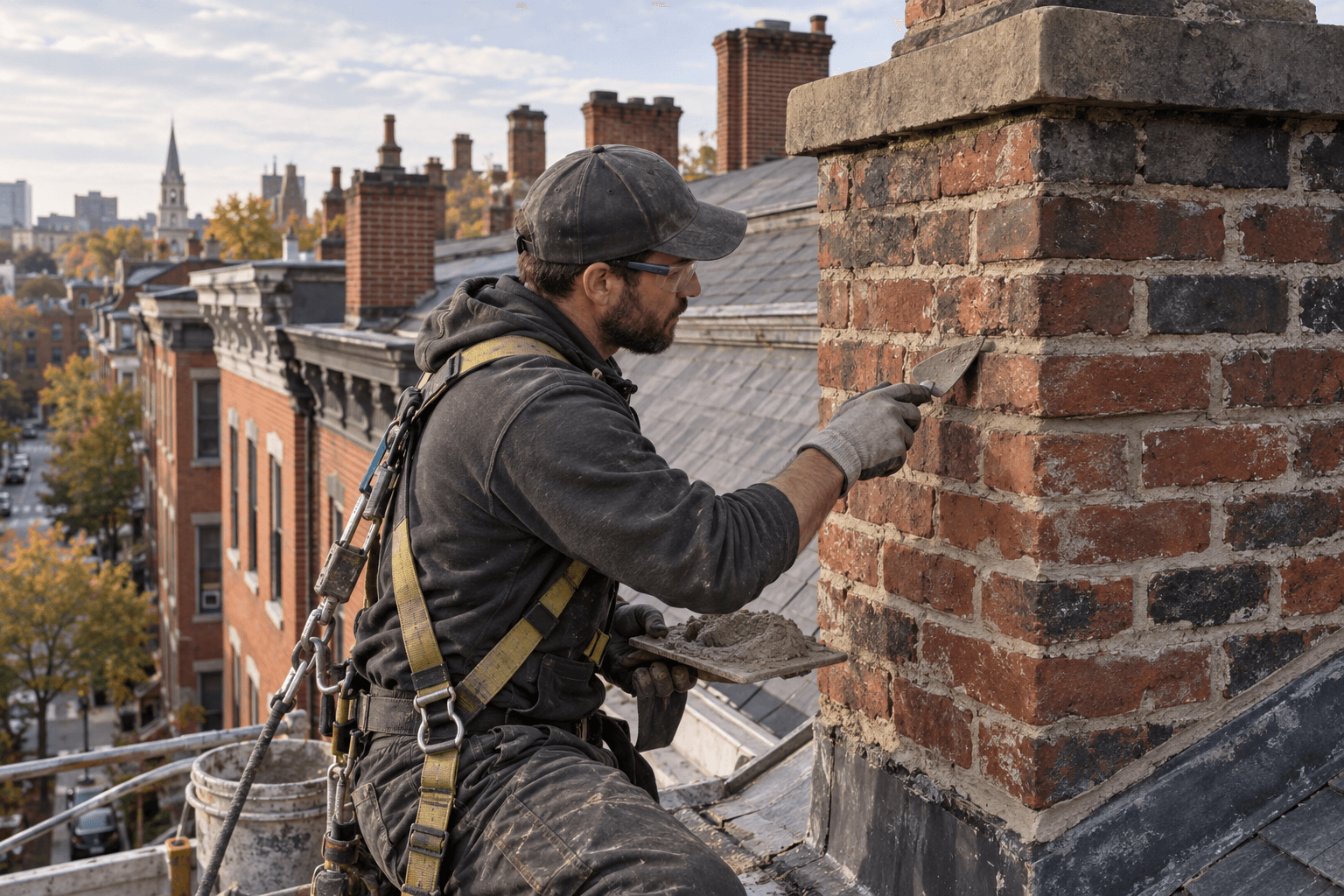
SERVICE 03
Address damaged brick, mortar, crowns, flashing and related water-entry points with a documented repair method.
Understand this service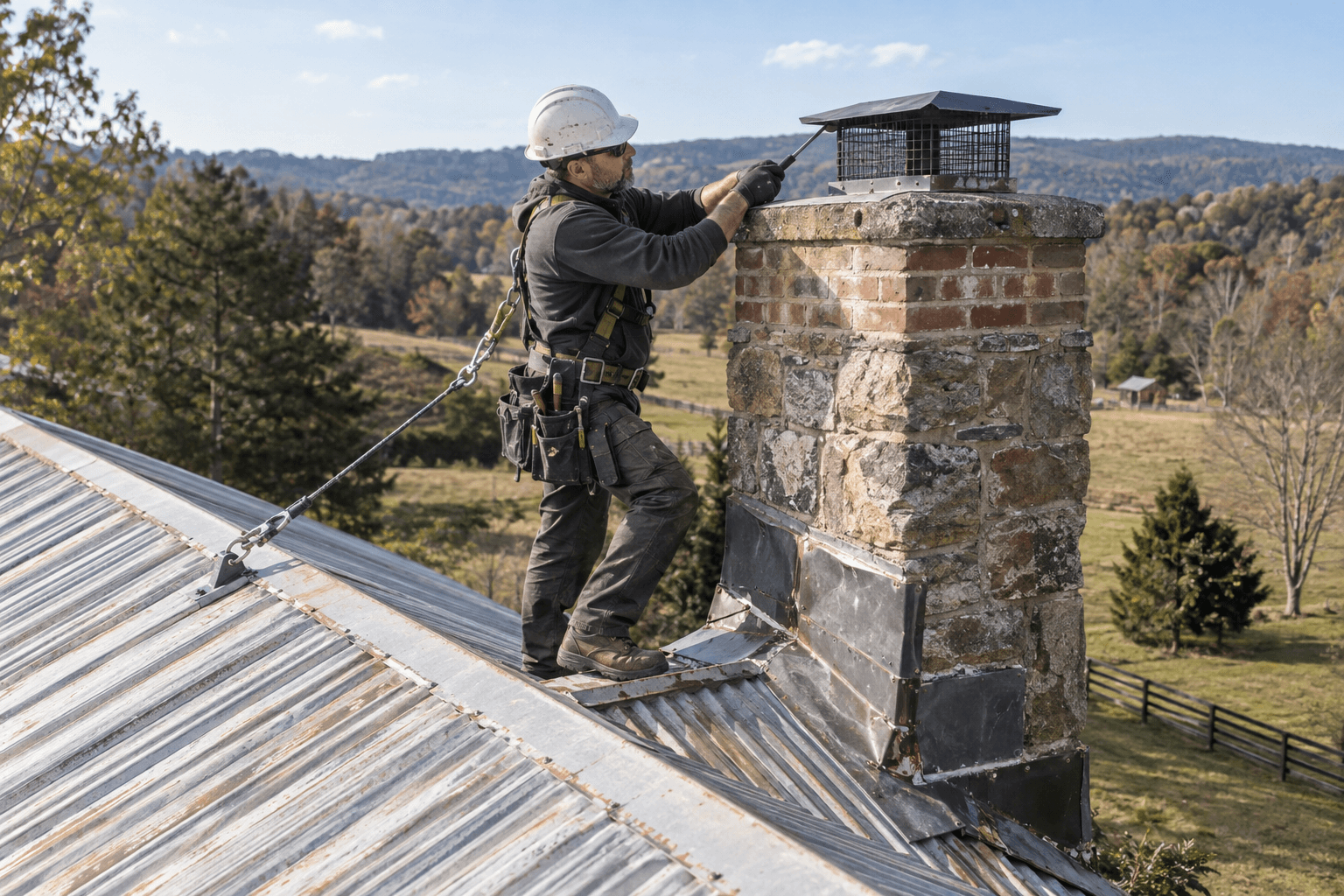
SERVICE 04
Compare liner, cap, crown and water-management work by diagnosis—not by a one-size-fits-all product pitch.
Understand this service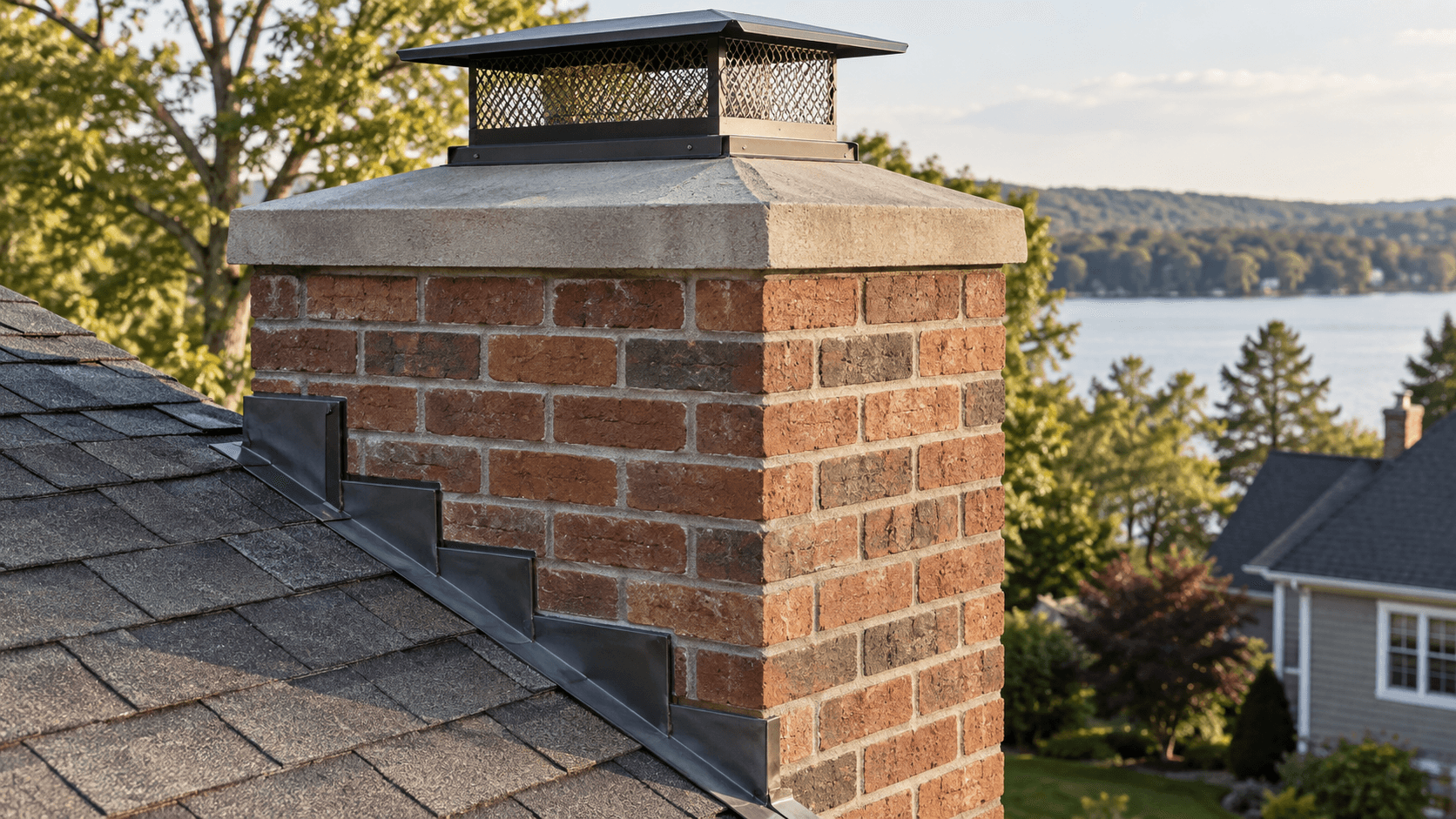
SERVICE 05
A routine review of readily accessible chimney, venting and appliance components for systems with no planned change.
Understand this serviceSERVICE 06
A more detailed assessment commonly considered after a property transfer, system change, malfunction or possible damage event.
Understand this serviceSERVICE 07
A targeted investigation when concealed areas may need to be reached to confirm a serious suspected hazard.
Understand this serviceSERVICE 08
Assess and remove combustible chimney deposits using a method suited to their type, location and severity.
Understand this serviceSERVICE 09
Select, install or repair a cap that fits the flue arrangement and helps manage rain, debris and animal entry.
Understand this serviceSERVICE 10
Document liner condition, appliance compatibility, sizing and connections before comparing repair or relining proposals.
Understand this serviceSERVICE 11
Address documented defects within the smoke chamber, flue or connector rather than treating every venting concern as a cleaning issue.
Understand this service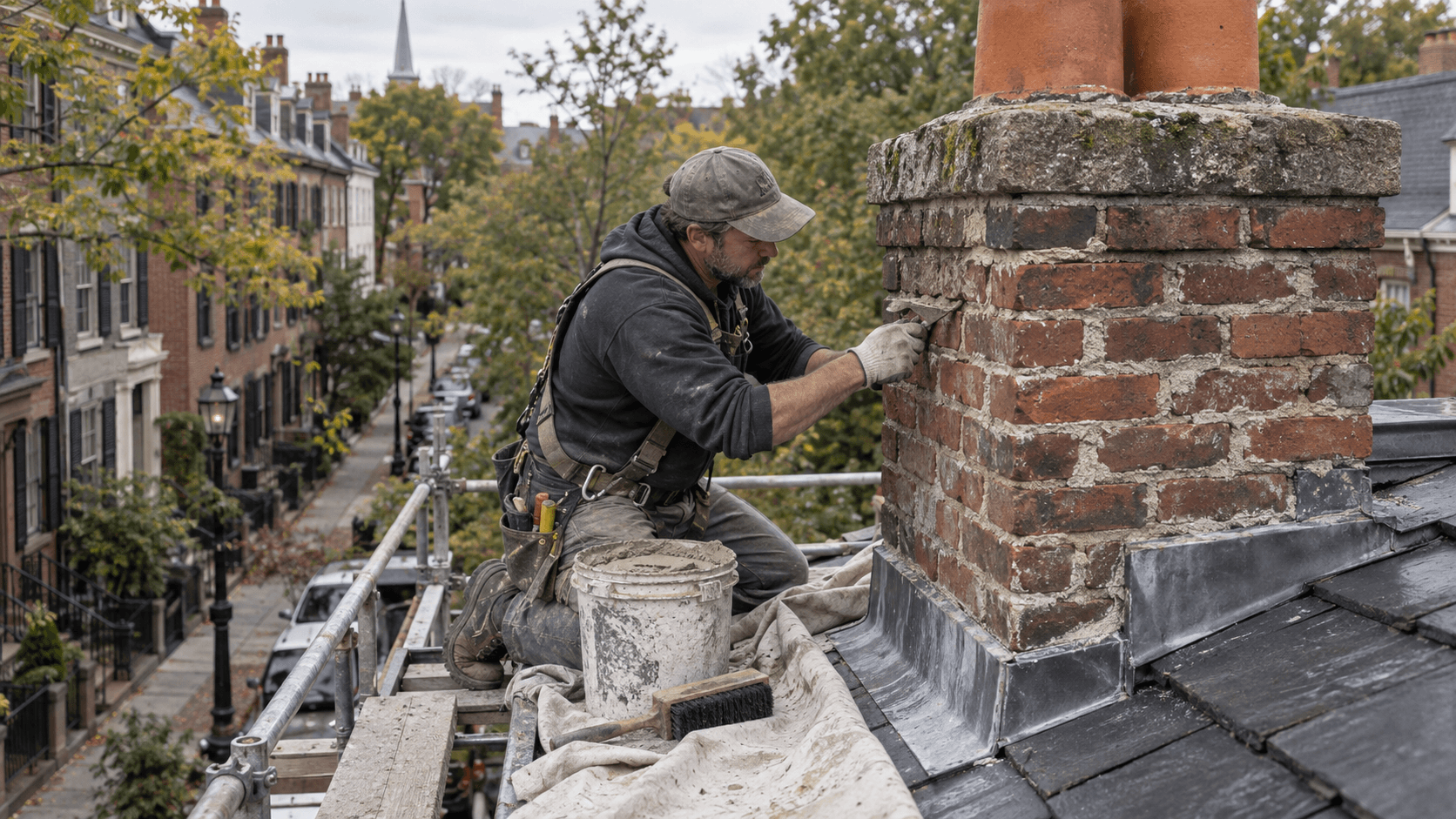
SERVICE 12
Compare crown repair, tuckpointing, brick replacement and rebuilding by cause, preparation and compatible materials.
Understand this service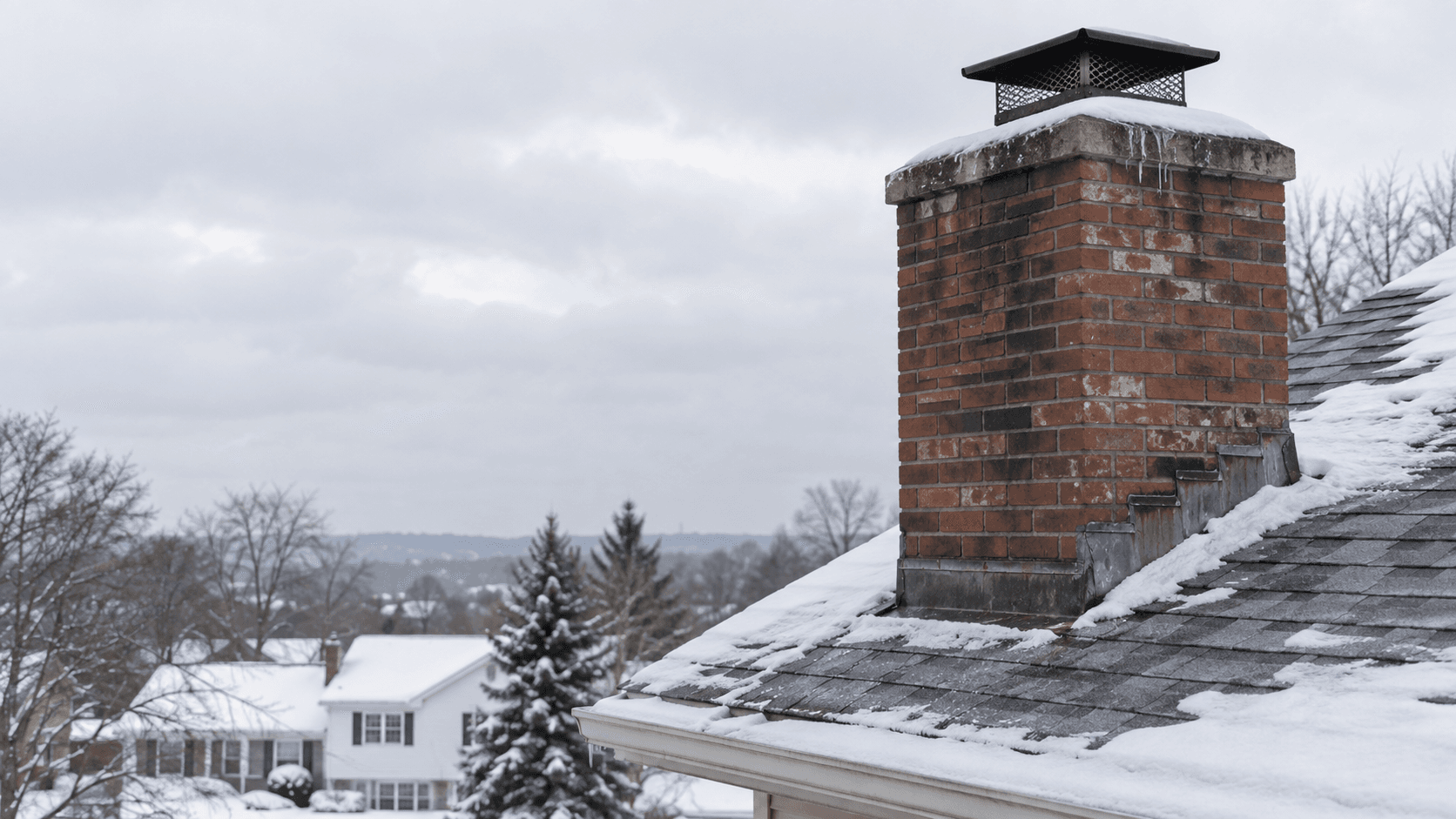
SERVICE 13
Investigate the roof-to-chimney intersection and define whether step, counter or cricket work belongs in the repair scope.
Understand this serviceSERVICE 14
Identify the water path first, then compare breathable masonry treatments and repairs without masking active defects.
Understand this service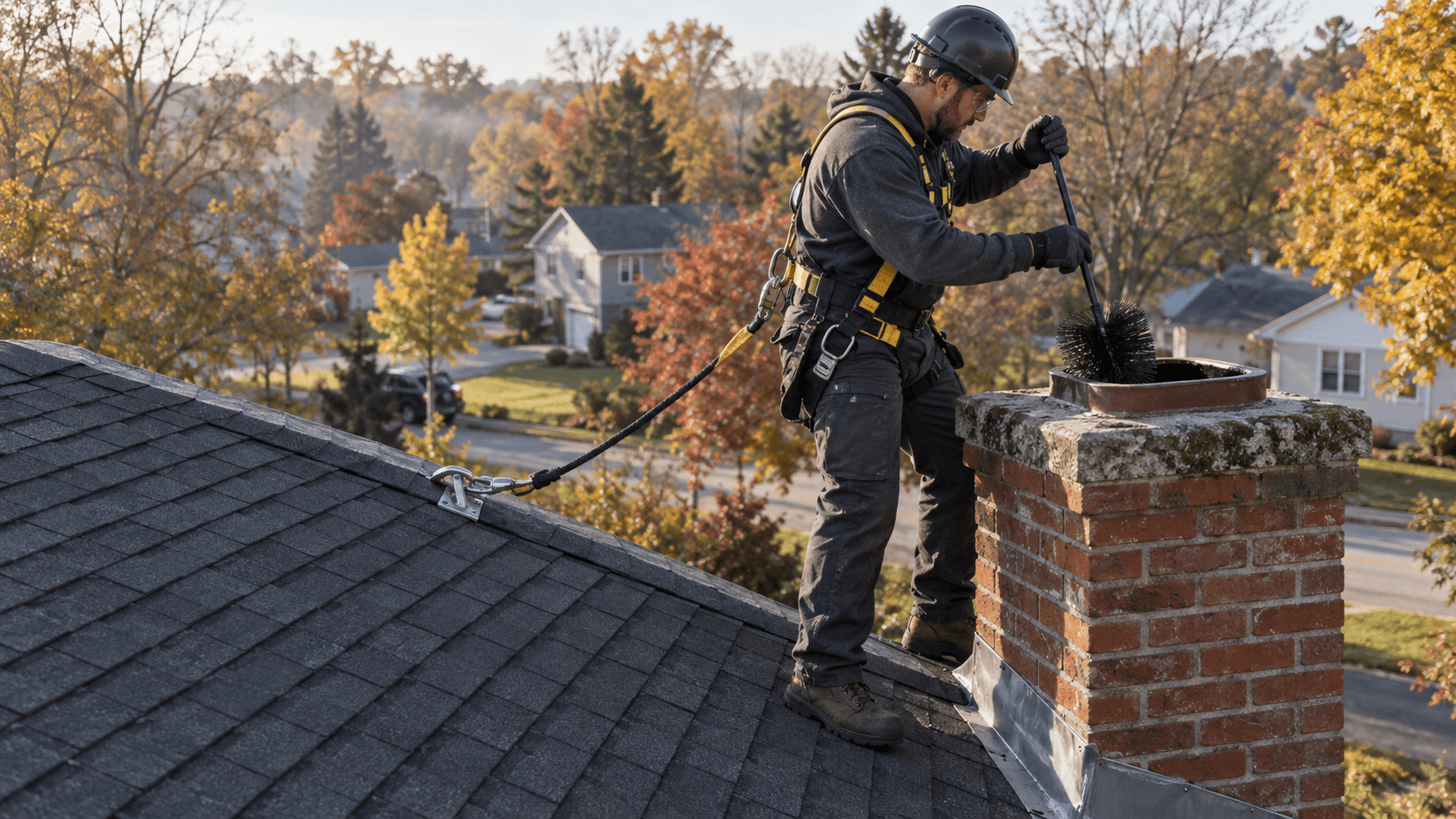
SERVICE 15
Evaluate blockage, fuel, appliance operation, house pressure, chimney geometry and wind as interacting causes of smoke problems.
Understand this serviceSERVICE 16
Coordinate cleaning and inspection around the appliance, connector, smoke chamber and chimney serving a solid-fuel system.
Understand this service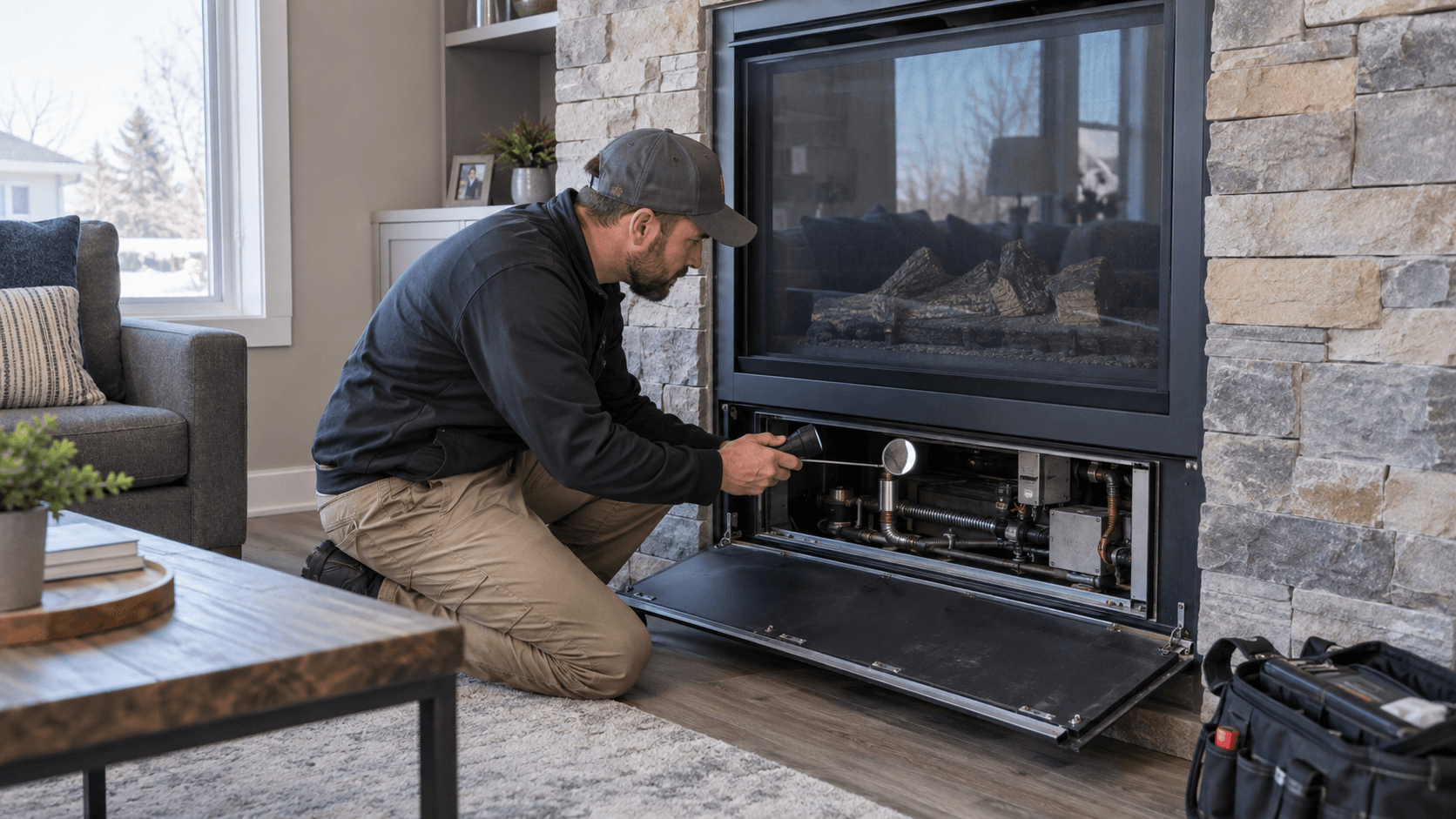
SERVICE 17
Review accessible venting, termination and appliance-related observations while leaving combustion servicing to appropriately qualified professionals.
Understand this service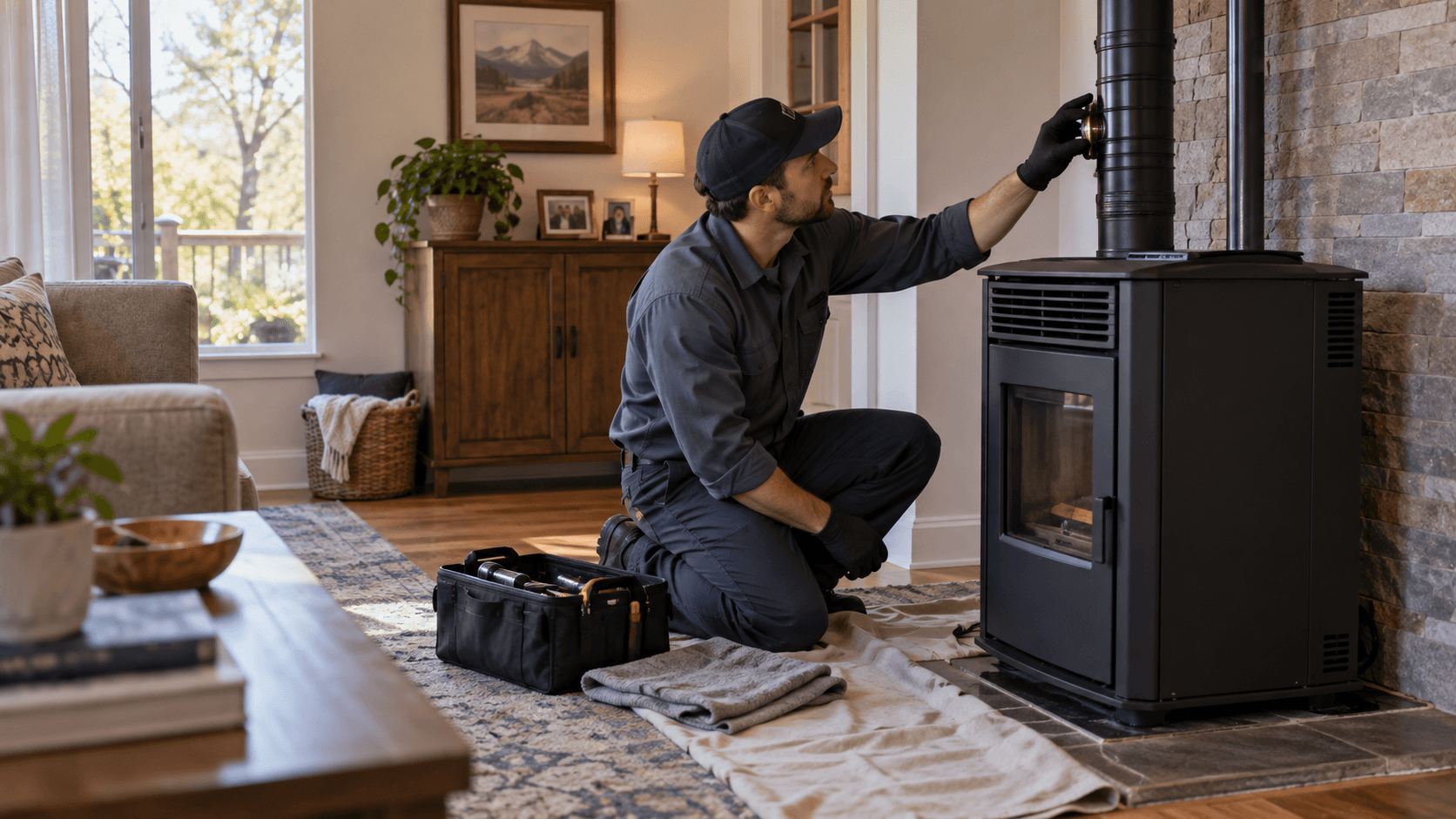
SERVICE 18
Clean and document pellet venting, appliance connections and accessible ash pathways according to the specific system and manufacturer information.
Understand this serviceSERVICE 19
Trace likely entry paths across the cap, crown, masonry, flashing, roofing and internal condensation before choosing a repair.
Understand this serviceSERVICE 20
Locate and remove obstructions safely, identify entry points and coordinate wildlife requirements where protected species may be involved.
Understand this serviceThe important distinction
A single appointment may include more than one service, but the invoice should still be clear. Ask the company to separate cleaning, inspection and repair recommendations so you can understand what was observed, what was performed and what remains optional or urgent.
Never treat a directory category as proof that a company is qualified for a specific appliance or repair. Confirm experience, credentials, access equipment and current insurance directly.
Straight answers
Use these answers to prepare for a conversation with a qualified chimney contractor. Property conditions and local requirements still need on-site verification.
Frequency depends on the appliance, fuel, use, deposits, system condition and applicable guidance. Ask a qualified chimney professional to recommend an interval for your system after assessing it; do not rely on a universal calendar rule.
No. Sweeping removes deposits and debris. An inspection evaluates condition within an agreed scope. A visit can include both, but the written quote should say what level of inspection and documentation is included.
Include the appliance and fuel type, property style, last known service, observed symptoms, requested service, access constraints and any useful photographs. Ask every company to quote against the same brief.
Request a service record, findings, limitations, photographs where appropriate, and clearly separated recommendations. For repairs, keep the final scope, product information, warranty and invoice.
A phone discussion can help define the likely service and prepare an estimate, but many defects require on-site access or camera inspection. Treat remote opinions as preliminary unless the contractor clearly states otherwise.
Ready to build a shortlist?