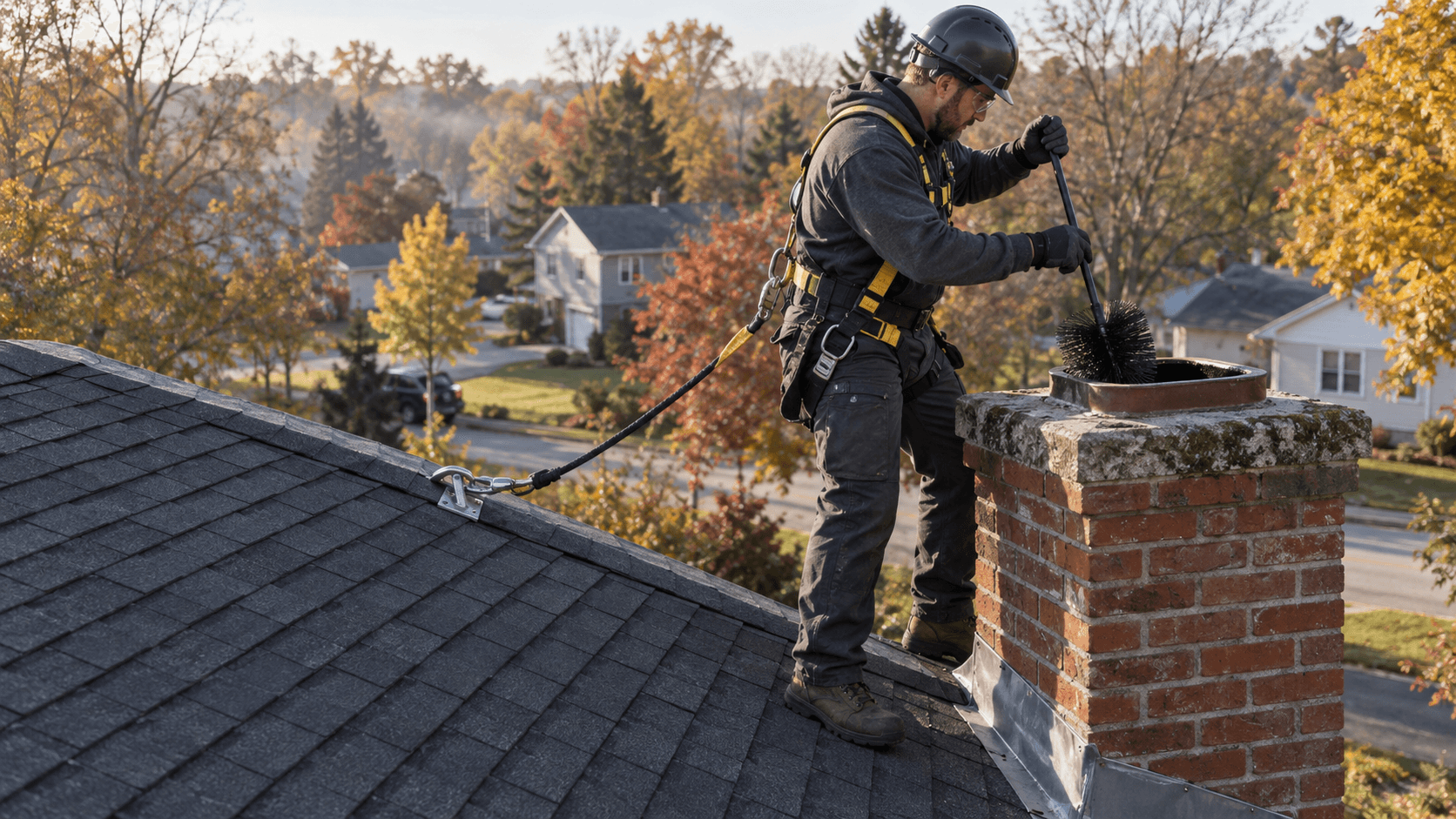
Smoke Entering the Room
Indoor smoke can involve blockage, cold flue conditions, house pressure, wind, fuel, operation or chimney geometry.
Open the problem guide →Symptom-first field desk
Smoke, odors, stains and cracks are clues—not complete diagnoses. Start with the symptom, recognize urgent conditions and prepare a better brief for a chimney company.
Problem library
These pages explain reasonable possibilities without pretending a website can inspect the property.
Indoor smoke can involve blockage, cold flue conditions, house pressure, wind, fuel, operation or chimney geometry.
Open the problem guide →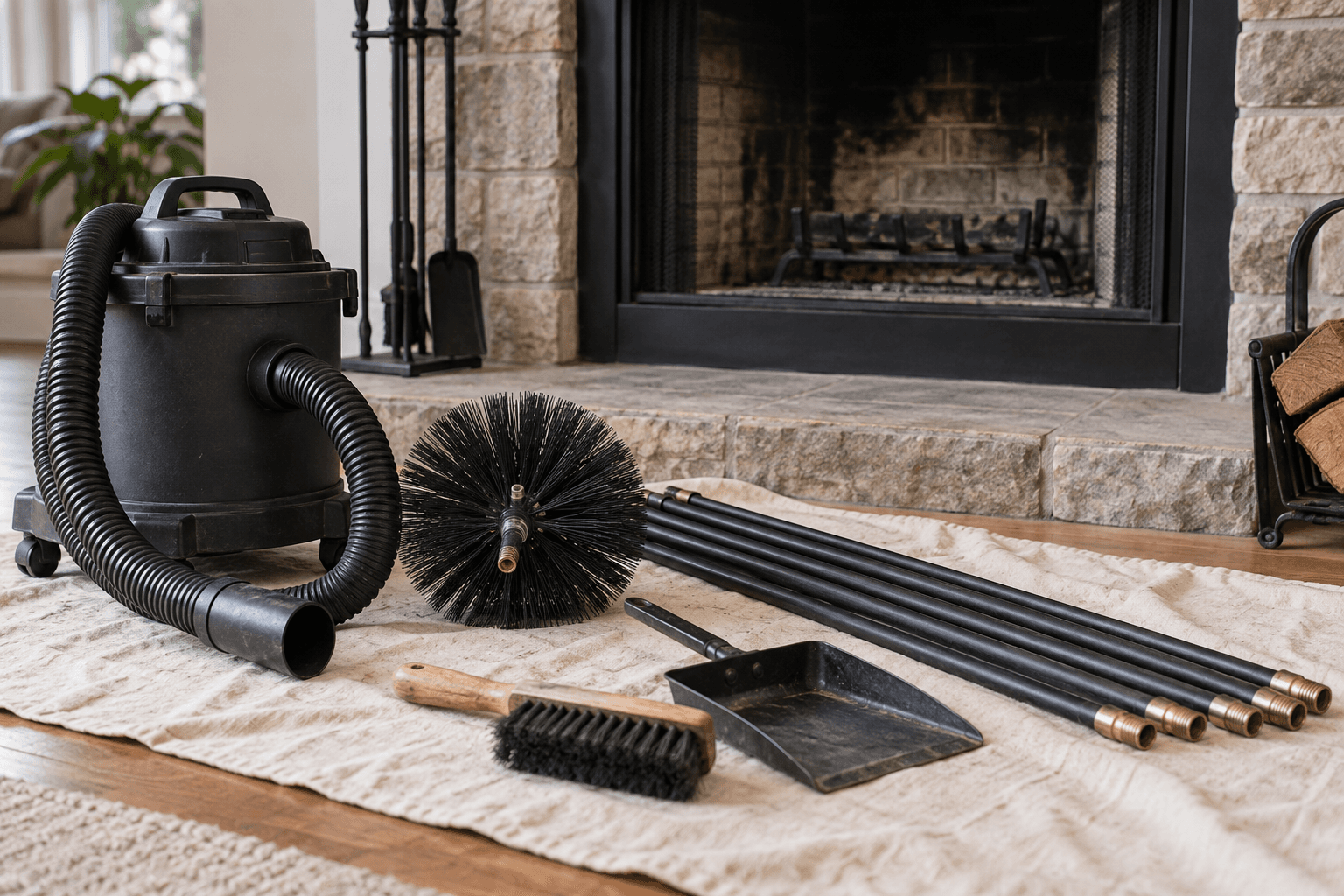
Persistent smoky, tar-like or animal odors can become stronger with humidity, downdrafts or negative house pressure.
Open the problem guide →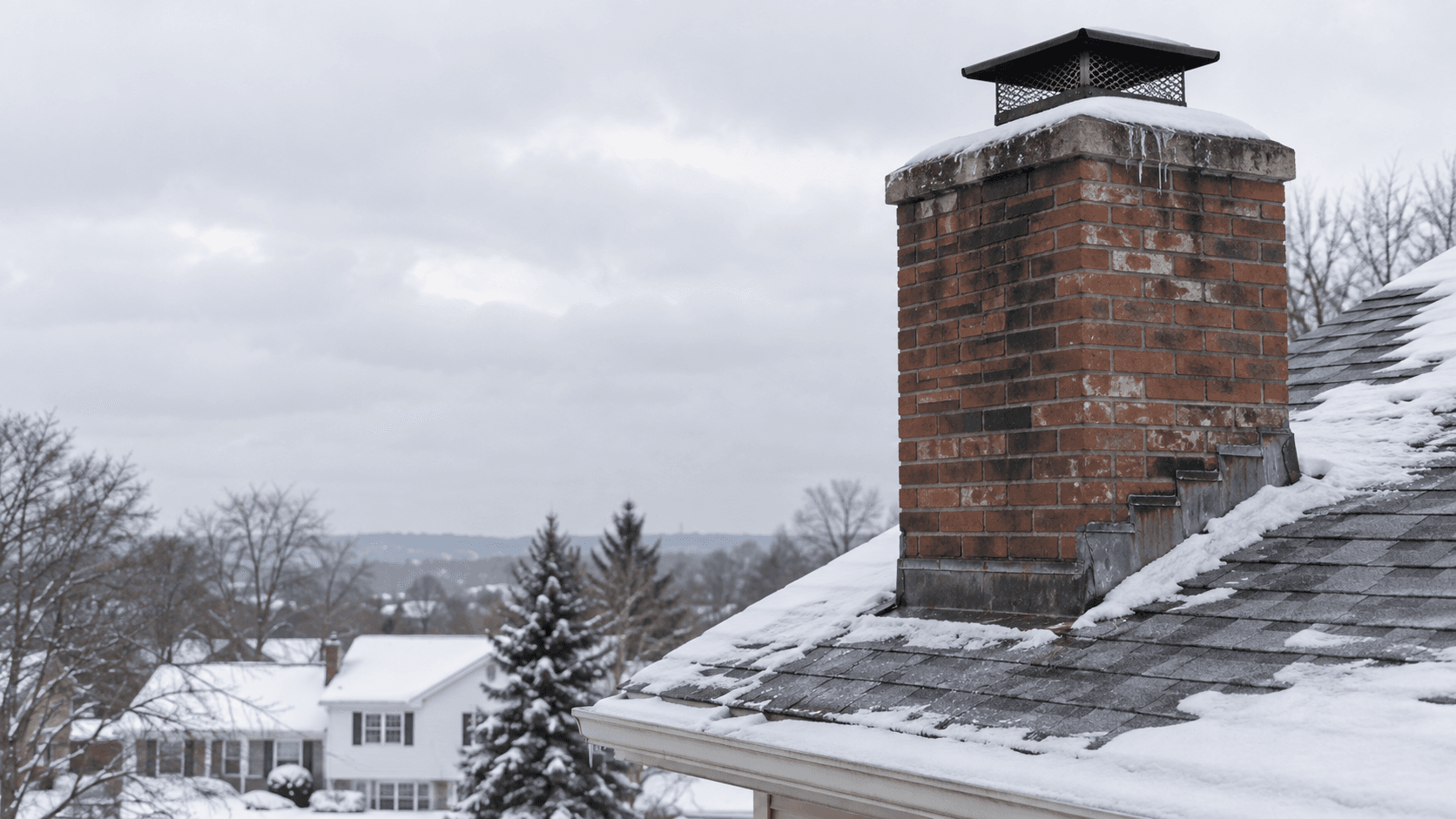
Water may enter through the cap, crown, masonry, flashing, adjacent roof or by condensation inside the vent.
Open the problem guide →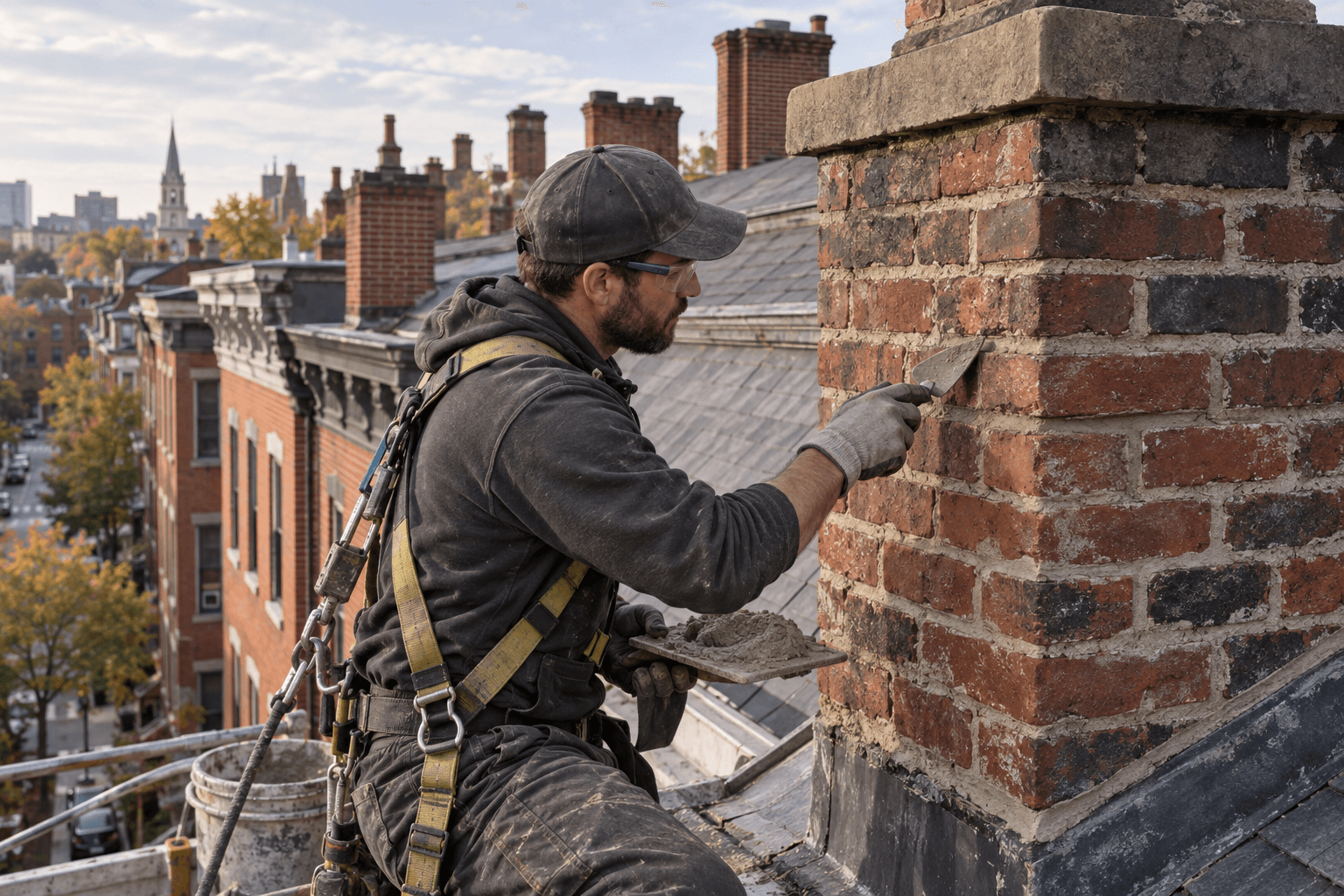
Flaking faces, open joints and cracks can reflect prolonged moisture, incompatible repairs, freeze-thaw stress or movement.
Open the problem guide →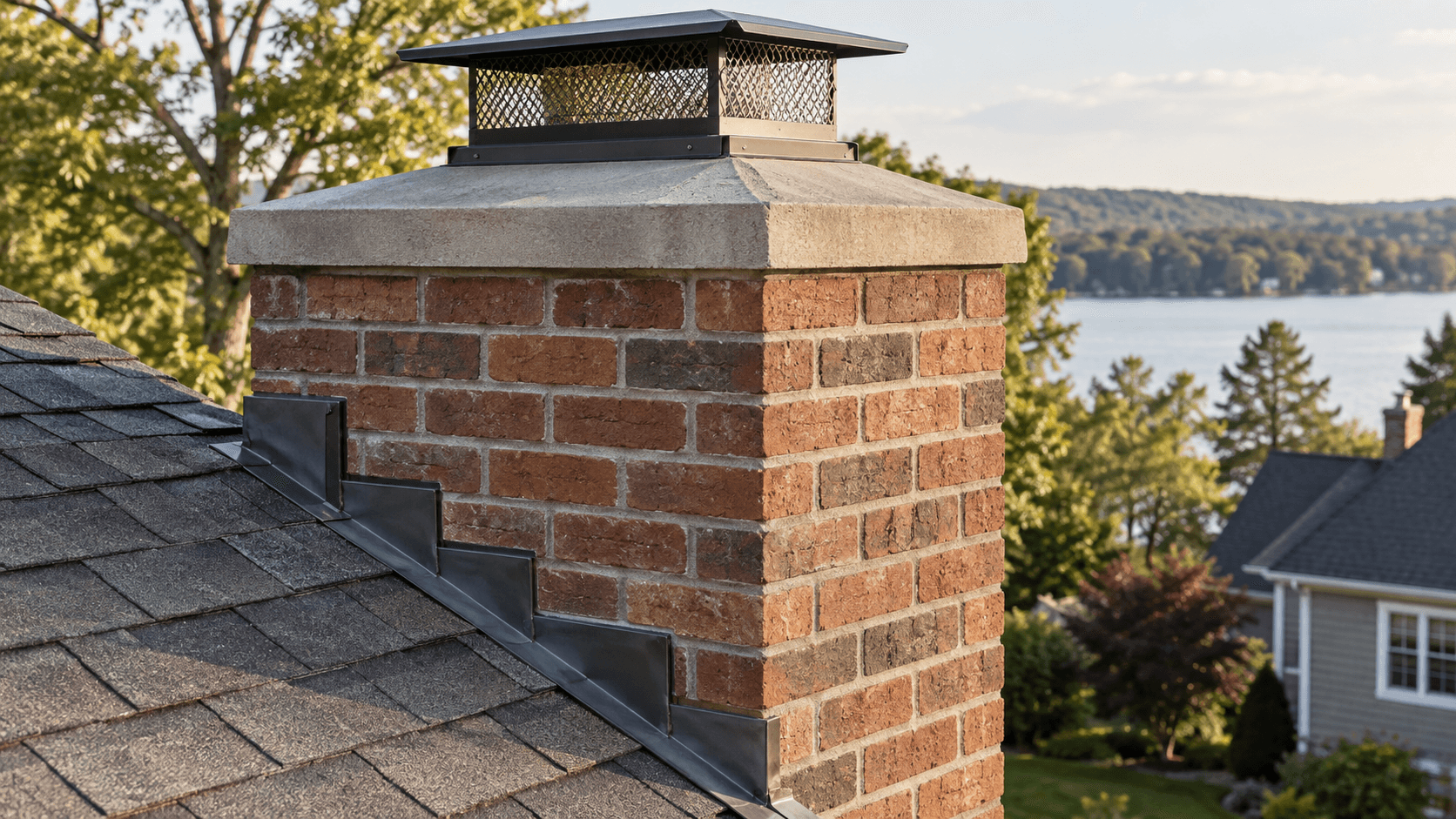
An absent, loose or corroded cap may allow more rain, debris or animal entry and can affect the termination.
Open the problem guide →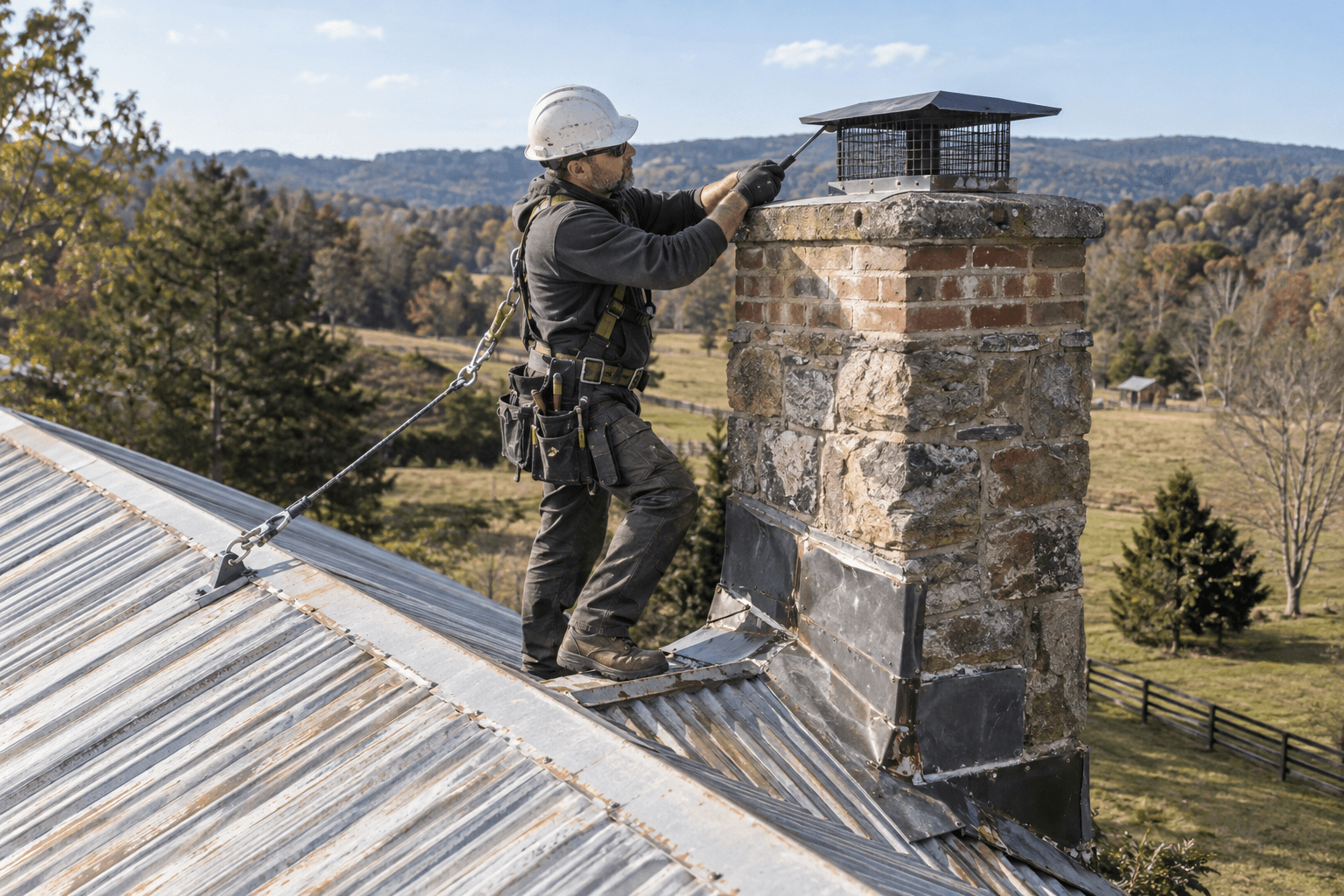
Sounds, nesting material, odor and debris can signal an animal or obstruction, but removal rules vary by species and location.
Open the problem guide →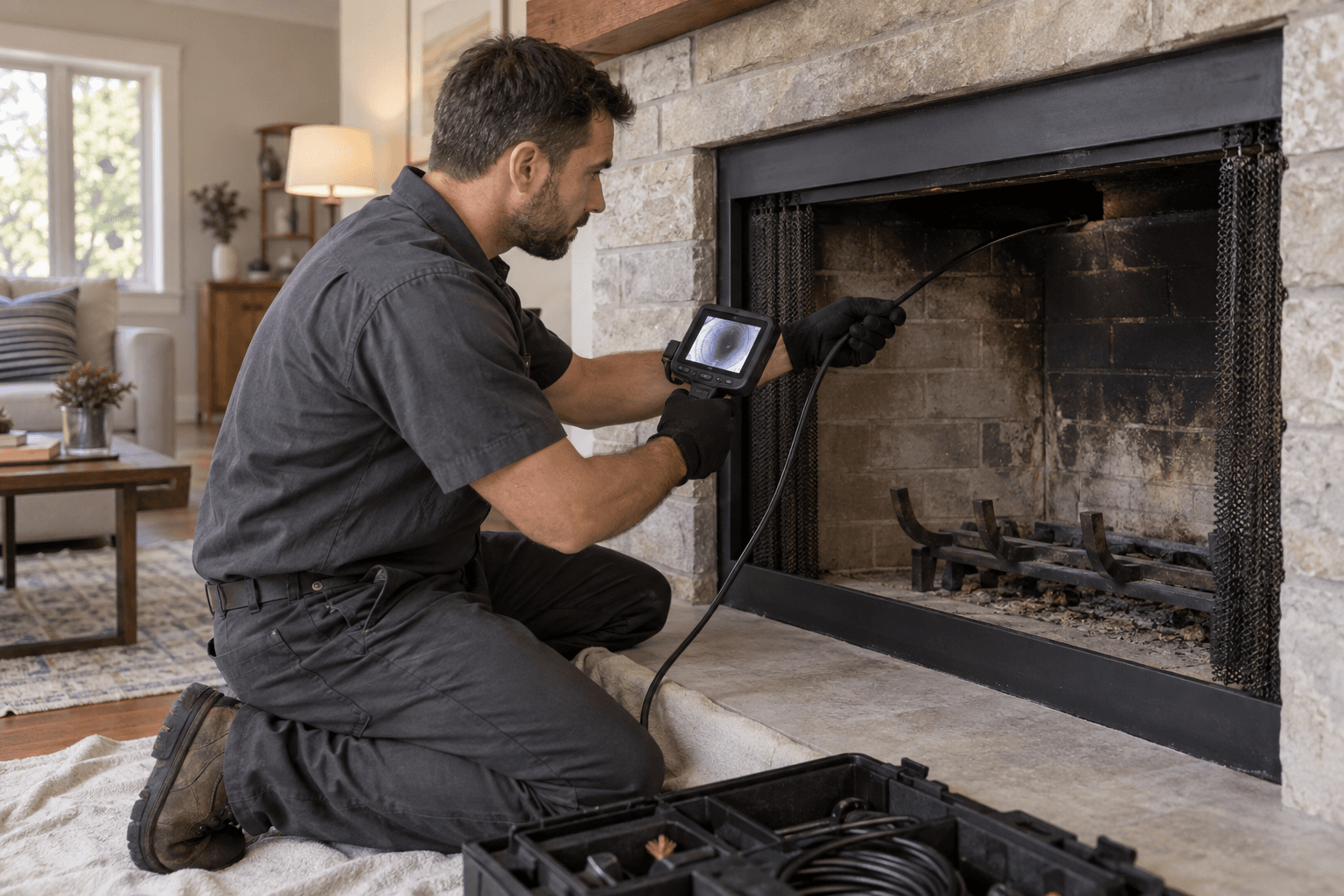
Nests, debris, collapsed material or heavy deposits can restrict the flue and interfere with combustion-gas removal.
Open the problem guide →Slow start-up, weak draft and smoke spillage may involve several interacting building, fuel, weather and venting factors.
Open the problem guide →Mortar, tile-like fragments, soot or nesting material should be identified because each points to a different next step.
Open the problem guide →Rust on dampers, fireboxes, caps, connectors or prefabricated components often signals moisture or material deterioration.
Open the problem guide →White mineral deposits show moisture has moved through masonry; they identify a moisture process, not the precise entry point.
Open the problem guide →Roaring, vibration, dense smoke, sparks or a strong hot odor can indicate a chimney fire, but some events are less obvious.
Open the problem guide →