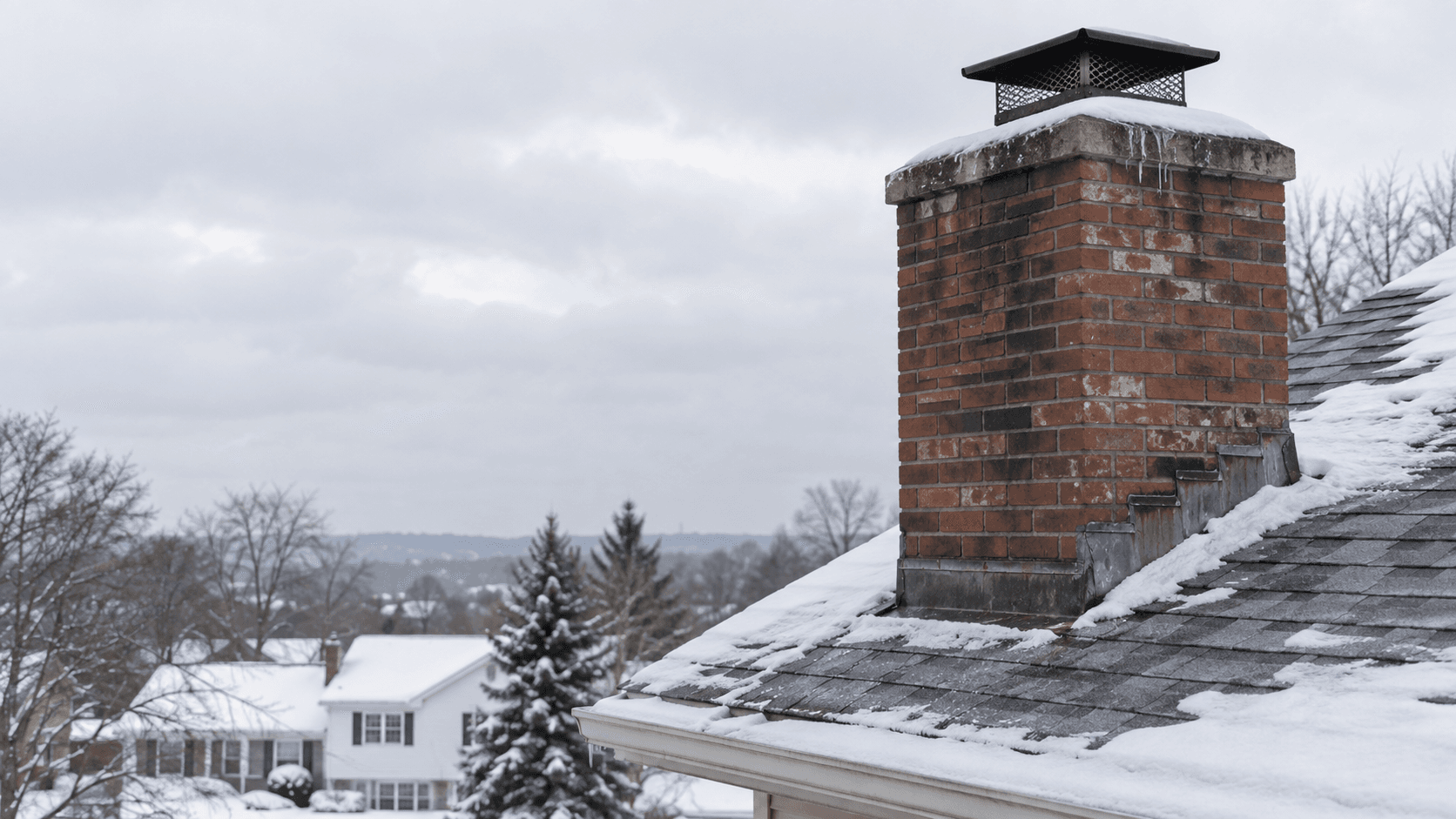
Investigate the roof-to-chimney intersection and define whether step, counter or cricket work belongs in the repair scope. The contractor should identify the appliance, fuel, chimney construction and access limitations before recommending work. Ask for photographs, written findings and a clear distinction between observed facts, likely causes and optional improvements.
Diagnostic frame
What the company needs to distinguish
Flashing diagnosis considers step flashing, counterflashing, upslope water concentration, roof covering, sealant history and sometimes a cricket or saddle. Interior stain position alone cannot select the repair.
A useful recommendation identifies what was directly observed, what remains an inference and which additional access or test would change the conclusion.
When to start a conversation
Signals that may justify this service
One sign rarely proves one defect. Document what changed and ask a contractor to explain the inspection or service needed to distinguish possible causes.
- Staining follows wind-driven rain
- Flashing is lifted or corroded
- A roof replacement changed the intersection
The work sequence
How a well-defined visit can progress
- 01Record leak timing and wind direction
- 02Inspect roof covering and flashing sequence
- 03Check counterflashing embedment or termination
- 04Define removal and integration with roofing
- 05Water-check only when appropriate and safe
Scope anatomy
What a useful proposal can clarify
A proposal should be specific enough that another professional could understand the intended outcome and method. Exact inclusions vary with the system and property.
Ask whether the scope covers
- System and appliance identification
- Accessible-condition documentation
- Method, materials and exclusions
- Containment and cleanup plan
- Written findings and prioritized next steps
Why prices differ
Factors that can change the work
Price without scope is difficult to compare. Ask companies to identify assumptions and to explain which condition would trigger a written change.
- Roof material and pitch
- Counterflashing versus full replacement
- Chimney width and cricket needs
- Decking or masonry damage
- Coordination with roofing work
Scope boundaries
What this service may not solve by itself
- Surface caulk is rarely a complete flashing system
- Chimney work may require a roofer
- A dry-weather visit can still document defects
- Water testing has limits and must avoid damage
Interview the contractor
Questions worth asking before booking
- 01What evidence supports this scope?
- 02Which areas will and will not be assessed?
- 03What product, method or standard informs the work?
- 04What documentation will I receive at completion?